


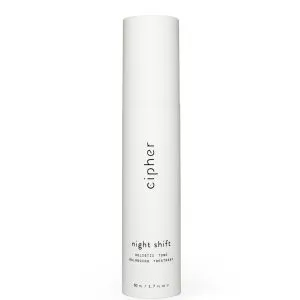


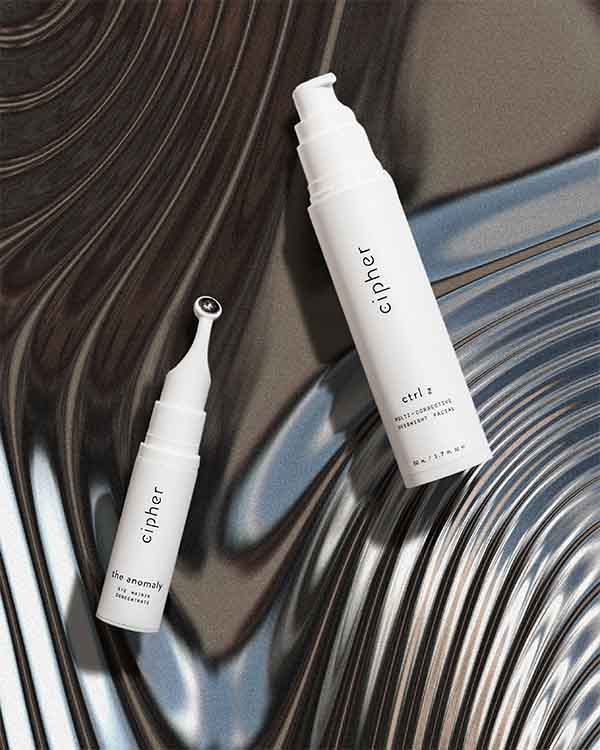

why we use fermented gallic acid
The Basics
Gallic acid is a naturally occurring phenolic compound widely recognised for its potent antioxidant properties. The fermentation process enhances the bioavailability and efficacy of gallic acid by modifying its molecular structure, which improves skin penetration and amplifies its cosmetic benefits.1 This structural modification results in a more effective ingredient for supporting skin radiance and achieving a more even tone.2 Fermented gallic acid is often used in formulations targeting hyperpigmentation and uneven skin tone due to its improved delivery and enhanced biological activity.3
What Fermented Gallic Acid can do for Skin
An incredibly potent skin brightener
Fermented gallic acid promotes a more even-looking skin tone by helping to reduce the visible effects of excess melanin production. It works as a tyrosinase inhibitor, decreasing melanin synthesis and improving the appearance of dark spots and overall skin clarity.2, 3 Do to its improved bioavailability through fermentation, results are usually evident after only a few days. This makes it a key ingredient in brightening and spot-correcting skincare formulations.
Antioxidant and Anti-Inflammatory Properties
Beyond its brightening capabilities, fermented gallic acid delivers potent antioxidant protection. It helps neutralise free radicals that contribute to oxidative stress, which can accelerate the appearance of fine lines, wrinkles, and other signs of skin ageing.1 Additionally, its anti-inflammatory properties assist in calming irritated skin and reducing redness, making it beneficial for sensitive skin and for maintaining a smooth, luminous complexion.1, 3
references
- 1 Chajra, H., Redziniak, G., Auriol, D., Schweikert, K., & Lefevre, F. (2015). Trihydroxybenzoic acid glucoside as a global skin color modulator and photo-protectant. Clinical, cosmetic and investigational dermatology, 8, 579–589. doi: 10.2147/CCID.S93364.
- 2 Hadidi, M., Liñán-Atero, R., Tarahi, M., Christodoulou, M. C., & Aghababaei, F. (2024). The Potential Health Benefits of Gallic Acid: Therapeutic and Food Applications. Antioxidants (Basel, Switzerland), 13(8), 1001. doi: 10.3390/antiox13081001
- 3 Kim, Y. J., & Uyama, H. (2005). Tyrosinase inhibitors from natural and synthetic sources: structure, inhibition mechanism and perspective for the future. Cellular and molecular life sciences : CMLS, 62(15), 1707–1723. doi: 10.1007/s00018-005-5054-y
explore more
-
Ammonium Acryloyldimethyltaurate/VP Copolymer

Ammonium Acryloyldimethyltaurate/VP Copolymer, known as Aristoflex® AVC, is a synthetic polymer that acts as a gelling agent, thickener,…
read more → -
Tridecane
Tridecane and Undecane form a light, fresh, fast-spreading emollient derived from 100% renewable feedstocks. This volatile hydrocarbon is…
read more → -
Diglucosyl Gallic Acid
An innovative biotech molecule activated by the skin's microbiome. It acts on seven biological targets to visibly brighten,…
read more → -
Glycine Soja (Soybean) Oil
Soybean oil is a lipid-rich emollient that supports skin hydration, reinforces the barrier, and provides antioxidant benefits, promoting…
read more → -
Propyl Gallate
Propyl Gallate, a derivative of antioxidant gallic acid, is used in small amounts to stabilize sensitive active ingredients…
read more → -
Plankton Extract (DNA Repair Enzymes)
Plankton extract, derived from Haematococcus pluvialis and Chlorella vulgaris, delivers advanced DNA repair enzymes that work while you…
read more →