





why we use lactobacillus ferment
Microbiome Balancing Postbiotics
While live probiotics typically can't survive in cosmetic formulations (because, well, they're alive), their byproducts—known as postbiotics—can offer significant skin benefits. Lactobacillus Ferment is a postbiotic ingredient produced through the fermentation of Lactobacillus bacteria, yielding beneficial bioactive compounds that support skin health. Lactobacillus Ferment reinforces the skin’s natural microbiome by promoting a balanced microbial environment. As a skin-conditioning agent, it enhances hydration and resilience, helping to maintain a strong skin barrier. Additionally, Lactobacillus fermentation byproducts produce antimicrobial peptides that help defend the skin from external stressors while supporting equilibrium within the skin’s ecosystem. Its soothing properties make it a valuable ingredient in formulations designed for sensitive or reactive skin.1
Antioxidant + Brightening
Beyond microbiome support, Lactobacillus Ferment exhibits antioxidant activity, neutralising free radicals that contribute to oxidative stress. This protection helps maintain skin clarity and overall radiance. Studies indicate that Lactobacillus Ferment can also influence melanin pathways, improving the appearance of uneven skin tone for a more balanced complexion.2
references
- 1 De Almeida CV, Antiga E, Lulli M. Oral and Topical Probiotics and Postbiotics in Skincare and Dermatological Therapy: A Concise Review. Microorganisms. 2023 May 27;11(6):1420. doi: 10.3390/microorganisms11061420. PMID: 37374920; PMCID: PMC10301930. Oral and Topical Probiotics and Postbiotics in Skincare and Dermatological Therapy: A Concise Review.
- 2 A. Chooruk, S. Piwat, R. Teanpaisan, Antioxidant activity of various oral Lactobacillus strains, Journal of Applied Microbiology, Volume 123, Issue 1, 1 July 2017, Pages 271–279, DOI: 10.1111/jam.13482 Antioxidant activity of various oral Lactobacillus strains
explore more
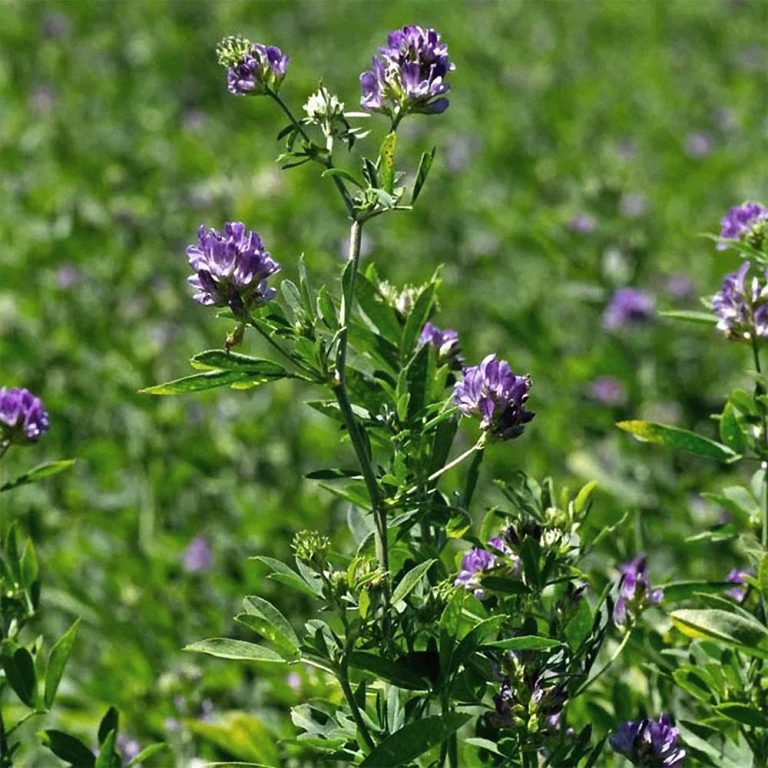
Medicago Sativa (Alfalfa) Callus Culture Conditioned Media Extract
A biotechnologically engineered ingredient obtained through the controlled cultivation of alfalfa callus cells in a sulfur-enriched environment. This…
read →
Retinal
Retinal, or retinaldehyde, is a gold-standard vitamin A active that targets multiple skin concerns simultaneously. By interacting with…
read →
Linoleic Acid
Linoleic acid is an essential omega-6 fatty acid that strengthens the skin barrier, regulates sebum production, calms inflammatory…
read →
sh-Polypeptide-9
sh-Polypeptide-9 (VEGF) is a synthetic peptide that promotes angiogenesis, enhancing microcirculation and nutrient delivery to the skin. This…
read →
Panthenol
Panthenol, also known as vitamin B5, is essential for helping skin defend itself against external stressors. It supports…
read →
Glyceryl Stearate
Glyceryl stearate is a fatty acid found naturally in the human body. For cosmetic use, it is derived…
read →