


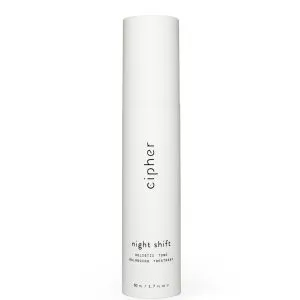


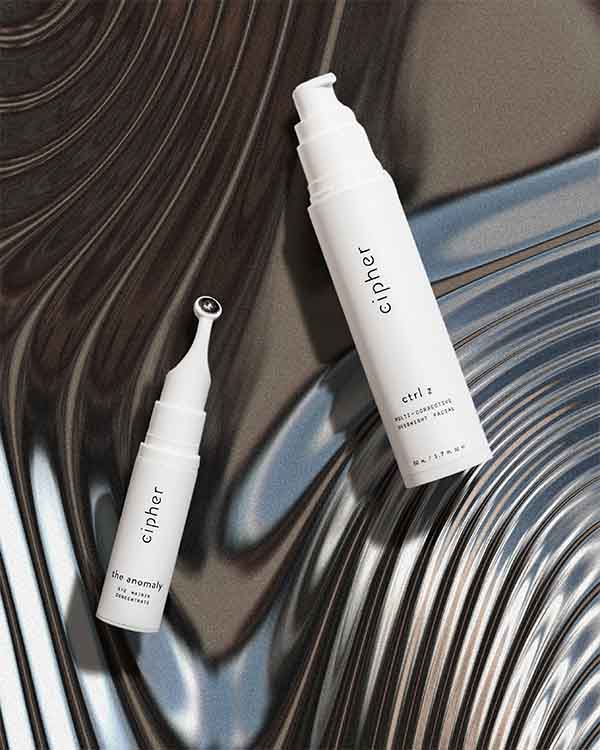

why we use panthenol
The Science Behind Panthenol
Panthenol, also known as provitamin B5, is a water-soluble compound essential for skin hydration and repair. When applied topically, panthenol converts into pantothenic acid, a crucial part of coenzyme A, which plays a key role in cellular processes like lipid metabolism and skin regeneration.
How Panthenol Supports Skin Hydration
As a humectant, panthenol attracts and binds moisture to the skin, helping to maintain hydration, elasticity, and suppleness. Additionally, it enhances lipid synthesis, reinforcing the skin’s natural barrier and reducing transepidermal water loss (TEWL). A stronger skin barrier helps protect against environmental stressors, pollutants, and irritants, keeping the complexion resilient and balanced.
Soothing and Anti-Inflammatory Properties
Panthenol is widely recognised for its soothing effects, making it ideal for calming irritation, redness, and itchiness. Due to its anti-inflammatory properties, it is frequently used in formulations for sensitive and compromised skin. Panthenol also supports epidermal recovery, helping to repair the skin barrier and promote overall skin comfort.
Clinical Evidence of Panthenol’s Efficacy
Scientific research highlights panthenol’s proven ability to restore hydration and support skin health. A study published in the Journal of Cosmetic Science found that formulations containing 1.0% and 5.0% panthenol significantly reduced TEWL after 30 days of application, reinforcing its role in maintaining long-term moisture retention.1
Why Panthenol is Essential in Skincare
With its deep hydration, barrier-strengthening, and soothing capabilities, panthenol is a versatile ingredient that benefits all skin types. Whether used in moisturisers, serums, or repair treatments, it helps keep skin soft, smooth, and resilient.
references
- 1 Camargo, F. B., Jr, Gaspar, L. R., & Maia Campos, P. M. (2011). Skin moisturizing effects of panthenol-based formulations. Journal of cosmetic science, 62(4), 361–370.
explore more
-
sh-Polypeptide-1

sh-Polypeptide-1 (bFGF) is a synthetic peptide that stimulates fibroblast proliferation, boosting collagen and elastin synthesis for improved skin…
read more → -
Hydroxyphenyl Propamidobenzoic Acid
Hydroxyphenyl Propamidobenzoic Acid (HPPBA) is a lab-engineered oat avenanthramide analogue with powerful anti-inflammatory and soothing properties. Like the…
read more → -
Glycerin
Glycerin is a humectant that works to draw moisture into the upper layers of the skin. It also…
read more → -
Ceramide NP
Ceramide NP, or ceramide 3, is one of the many types of ceramides that can be found naturally…
read more → -
Glyceryl Oleate Citrate
Glyceryl oleate citrate is an ester of glycerin that functions as an emulsifier and emollient. It helps stabilise…
read more → -
Palmitoyl Tripeptide-38
Palmitoyl tripeptide-38 is a matrikine-mimetic compound that regulates cell activity, wound repair and collagen tissue remodeling. It stimulates…
read more →