





why we use sh-polypeptide-9
sh-Polypeptide-9: Vascular Endothelial Growth Factor (VEGF)
sh-Polypeptide-9, also known as Vascular Endothelial Growth Factor (VEGF), is a synthetic peptide that plays a pivotal role in skin rejuvenation. VEGF is renowned for its ability to stimulate angiogenesis—the formation of new blood vessels—thereby enhancing nutrient delivery and promoting overall skin vitality.
VEGF Mechanism of Action
When applied topically, sh-Polypeptide-9 binds to specific receptors on endothelial cells, initiating a cascade that promotes cell proliferation and new blood vessel formation. This process increases microcirculation within the skin, ensuring that essential nutrients and oxygen reach the dermal layers. Enhanced blood flow supports cellular functions, leading to improved skin tone and texture.
VEGF Benefits in Skincare
Incorporating sh-Polypeptide-9 into skincare formulations offers several advantages:
- Enhanced Nutrient Delivery: By promoting angiogenesis, this peptide ensures optimal nutrient and oxygen supply to skin cells, fostering a healthy complexion.
- Improved Skin Vitality: Increased blood flow revitalises the skin, imparting a radiant and youthful appearance.
- Support for Skin Repair: The formation of new blood vessels aids in tissue regeneration, making it beneficial for addressing signs of aging and environmental damage.
Clinical Efficacy of VEGF
Scientific studies have demonstrated the efficacy of sh-Polypeptide-9 (VEGF) in enhancing skin health, repair, and resilience. Research indicates that this peptide boosts the production of proteins involved in cell restructuring, promoting smoother, firmer skin. Additionally, VEGF has been shown to increase vascular permeability, improving nutrient and oxygen exchange within the skin, which further supports cellular rejuvenation and collagen maintenance.
A study on VEGF expression in human dermal papilla cells found that this peptide stimulates the development of microvascular networks, essential for maintaining optimal skin function. Enhanced microcirculation ensures that fibroblasts—key collagen-producing cells—receive sufficient nutrients, supporting firmness and elasticity.1
Moreover, VEGF has been shown to protect endothelial cells from oxidative stress by reducing levels of interleukin-1α (IL-1α), a cytokine linked to inflammation and skin barrier disruption. By modulating inflammatory pathways, VEGF helps maintain balanced skin, reinforcing its role in anti-ageing and reparative skincare.1
VEGF in Cipher's Eye Serum
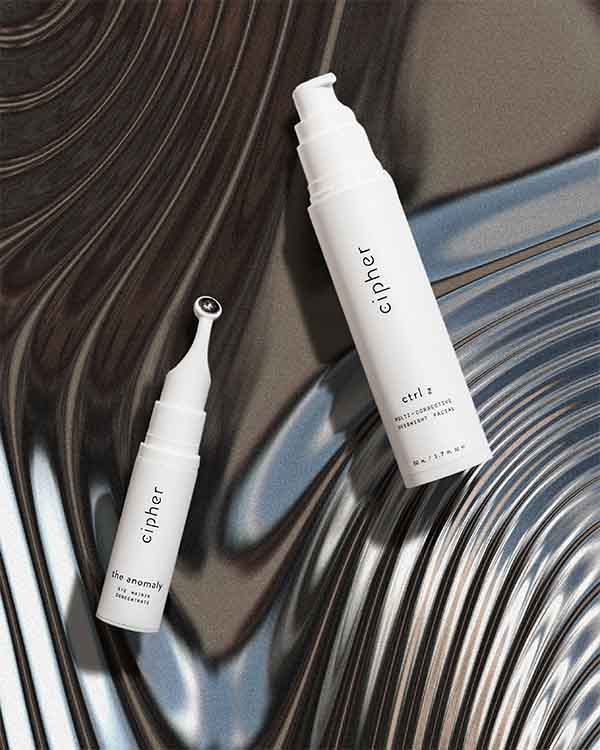
Recognising the multifaceted benefits of sh-Polypeptide-9, Cipher has incorporated this potent peptide into The Anomaly eye matrix concentrate. Its ability to enhance microcirculation and support tissue regeneration makes it an ideal component for targeting the delicate eye area, aiming to reduce the appearance of fine lines and under-eye puffiness while promoting a refreshed and vibrant look.
Cipher’s Growth Factor Complex
The growth factors in this complex provides a comprehensive approach to skin repair and rejuvenation. Each peptide plays a unique role, working together to strengthen the skin’s structure, improve resilience, and restore smooth, elastic skin.
- sh-Oligopeptide-1 (epidermal growth factor, EGF):
Stimulates epidermal cell proliferation, helping to accelerate skin renewal and repair.2 - sh-Oligopeptide-2 (insulin-like growth factor-1, IGF-1):
Enhances cellular growth and supports fibroblast activity, boosting collagen and elastin production for firmer skin.3 - sh-Polypeptide-1 (basic fibroblast growth factor, bFGF):
Encourages fibroblast proliferation and extracellular matrix synthesis, improving skin firmness and elasticity over time.3 - sh-Polypeptide-9 (vascular endothelial growth factor, VEGF):
Promotes angiogenesis, which increases nutrient delivery and supports overall skin vitality.4 - sh-Polypeptide-11 (acidic fibroblast growth factor, aFGF):
Aids in wound healing and fibroblast proliferation, accelerating skin regeneration and repair.5
By working in synergy, these peptides support the skin’s natural renewal process, helping to restore elasticity, smooth fine lines, and promote a rejuvenated complexion.
Common Questions About Growth Factors in Skincare
How Do Topical Growth Factors Work?
Are Growth Factors Safe to Use? Do they Increase Cancer Risk?
That said, some concerns have been raised about their potential to stimulate unwanted cell proliferation. However, current research indicates that topically applied growth factors do not penetrate deeply enough to influence systemic cell growth. Studies have consistently shown that recombinant human Epidermal Growth Factor (rhEGF) remains localised to the epidermis, where it supports skin renewal without affecting deeper tissue structures. Additionally, a recent literature review found no evidence that topical rhEGF stimulates cancer cell proliferation.6
As with any active ingredient, those with a history of skin cancer or concerns about specific areas—such as moles or skin with a history of excessive sun exposure—should consult a healthcare professional to determine the best approach for their skin.
What Are the Sources of Growth Factors in Skincare Products?
- Human Cell Cultures:
Originally, growth factors were extracted from human stem cells, including those from bone marrow, platelet-rich plasma, or adipose tissue. These cells are cultured in laboratories to produce growth factors that closely mimic the body's natural proteins, promoting effective skin rejuvenation. - Animal Sources:
Some skincare products utilise growth factors obtained from animal sources, such as snail mucin. Snail-derived growth factors have been found to support skin repair and hydration, offering benefits similar to human growth factors. - Plant-Based and Bioengineered Sources:
Advancements in biotechnology have enabled the synthesis of growth factors using plant-based systems or microbial fermentation. For instance, barley seeds can be engineered to produce epidermal growth factor (EGF) that mimics human proteins, providing a vegan-friendly alternative.
When Should I Start Using Growth Factor Products?
Can Growth Factors Be Combined with Other Skincare Ingredients?
What does the "sh-" mean in front of these peptide names?
These synthetic human peptides are designed to mimic the structure and function of their naturally occurring counterparts. Because they are lab-created, they offer high purity, consistency, and ethical sourcing, making them vegan-friendly and free from human or animal-derived materials.
How are vegan growth factors produced?
Recombinant DNA Technology:
In this approach, scientists insert genes encoding specific growth factors into microbial hosts like E. coli. During controlled fermentation, these microorganisms express the desired peptides, which are then purified to achieve high purity and bioidentity. This method ensures the production of vegan-friendly growth factors suitable for cosmetic applications.7
Plant-Based Synthesis:
Alternatively, plant-based systems can be engineered to produce growth factors. For instance, barley seeds have been modified to generate epidermal growth factor (EGF) that closely resembles human EGF.
These biotechnological advancements provide ethical and effective alternatives to human- or animal-derived growth factors.
references
- 1 Bassino, E., Zanardi, A., Gasparri, F., & Munaron, L. (2016). Effects of the biomimetic peptide Sh-Polypeptide 9 (CG-VEGF) on cocultures of human hair follicle dermal papilla cells and microvascular endothelial cells. Experimental dermatology, 25(3), 237–239. doi: 10.1111/exd.12906
- 2 Miller-Kobisher, B., Suárez-Vega, D. V., & Velazco de Maldonado, G. J. (2021). Epidermal Growth Factor in Aesthetics and Regenerative Medicine: Systematic Review. Journal of cutaneous and aesthetic surgery, 14(2), 137–146. doi: 10.4103/JCAS.JCAS_25_20
- 3 Growth factors in skin creams | DermNet NZ. (n.d.). 16 Feb 2025 from
- 4 Lee, H. J., Hong, Y. J., & Kim, M. (2021). Angiogenesis in Chronic Inflammatory Skin Disorders. International Journal of Molecular Sciences, 22(21), 12035. doi: 10.3390/ijms222112035
- 5 Sho Yamakawa, Kenji Hayashida, Advances in surgical applications of growth factors for wound healing, Burns & Trauma, Volume 7, 2019, s41038–019–0148–1, doi: 10.1186/s41038-019-0148-1
- 6 Shin, S. H., Koh, Y. G., Lee, W. G., Seok, J., & Park, K. Y. (2023). The use of epidermal growth factor in dermatological practice. International wound journal, 20(6), 2414–2423. doi: 10.1111/iwj.14075
- 7 Zhao, Q., Xu, W., Xing, L., & Lin, Z. (2016). Recombinant production of medium- to large-sized peptides in Escherichia coli using a cleavable self-aggregating tag. Microbial Cell Factories, 15(1). doi: 10.1186/s12934-016-0534-3
explore more
-
Euterpe Oleracea (Acai) Fruit Oil

Organic açaí berry oil is a stunning green lipid that helps maintain optimal skin balance with its impressive…
read more → -
Hydrogenated Ethylhexyl Olivate
Hydrogenated Ethylhexyl Olivate and Hydrogenated Olea Europaea (Olive) Oil Unsaponifiables form a light, soft lipid. Derived from olive…
read more → -
Spirulina Maxima (Microalgae) Extract
Spirulina maxima extract is a nutrient-dense microalga offering antioxidant protection and skin-conditioning benefits. It helps support overall skin…
read more → -
Tocopherol
D-Alpha Tocopherol, or vitamin E, occurs naturally in healthy skin. It offers significant antioxidant properties to help defend…
read more → -
sh-Polypeptide-1
sh-Polypeptide-1 (bFGF) is a synthetic peptide that stimulates fibroblast proliferation, boosting collagen and elastin synthesis for improved skin…
read more → -
Propanediol
Propanediol functions as an emollient, humectant, and solvent and is derived from corn. It is considered a more…
read more →