





why we use stearic acid
The Role of Stearic Acid in Skin Health
Stearic acid is a long-chain saturated fatty acid naturally present in shea butter, cocoa butter, and animal fats. In skincare, it plays a pivotal role in maintaining skin hydration and reinforcing the skin's barrier function. As a primary component of the stratum corneum's lipid matrix, stearic acid helps prevent transepidermal water loss (TEWL), ensuring the skin remains soft, supple, and resilient.1
Barrier Protection and Moisture Retention
One of stearic acid’s essential functions is forming a protective, occlusive layer on the skin's surface. This barrier locks in moisture, reducing evaporation and preventing environmental dehydration. Consequently, stearic acid enhances skin comfort and elasticity, making it particularly beneficial in formulations designed for dry or compromised skin. Additionally, its gentle nature ensures it is well-tolerated by most skin types, including sensitive or reactive skin.
Stearic Acid as an Emulsifier in Skincare
Beyond its moisturising and barrier-supporting properties, stearic acid serves as an effective emulsifier in skincare formulations. It helps stabilise oil-in-water emulsions, preventing ingredient separation and ensuring smooth, uniform textures in creams, lotions, and serums. By improving product consistency and spreadability, stearic acid enhances the sensory experience of skincare, providing formulations with a rich, velvety texture that absorbs effortlessly into the skin.2
Who Benefits Most from Stearic Acid?
- Dry and Dehydrated Skin: Stearic acid’s occlusive properties help seal in moisture, preventing excessive water loss.
- Sensitive Skin: Due to its mild, non-irritating nature, stearic acid is well-tolerated and unlikely to trigger sensitivities.
- Aging and Barrier-Compromised Skin: Its ability to strengthen the lipid matrix supports firmer, more resilient skin over time.
Incorporating stearic acid into skincare formulas can provide substantial benefits, particularly for products seeking to deliver improved barrier function.
references
- 1 Stratum corneum fatty acids: Their critical role in preserving barrier integrity during cleansing. (2013). Journal of the American Academy of Dermatology, 68(4), AB78. doi: 10.1016/j.jaad.2012.12.325 Stratum corneum fatty acids: Their critical role in preserving barrier integrity during cleansing.
- 2 Sawarkar, N. (2023, July 10). Stearic Acid in Cosmetics & Personal Care Products. Periodical by Knowde. 19 Feb 2025 from Stearic Acid in Cosmetics & Personal Care Products.
explore more
Linoleic Acid
Linoleic acid is an essential omega-6 fatty acid that strengthens the skin barrier, regulates sebum production, calms inflammatory…
read →
Phospholipids
Phospholipids are nourishing skin-identical emollients with water binding properties. They make up about 75% of the cell membranes…
read →
Chlorella Vulgaris (Microalgae) Extract
Specially derived from the cell wall of chlorella, this prebiotic plankton active supports tissue repair with EGF-like activity…
read →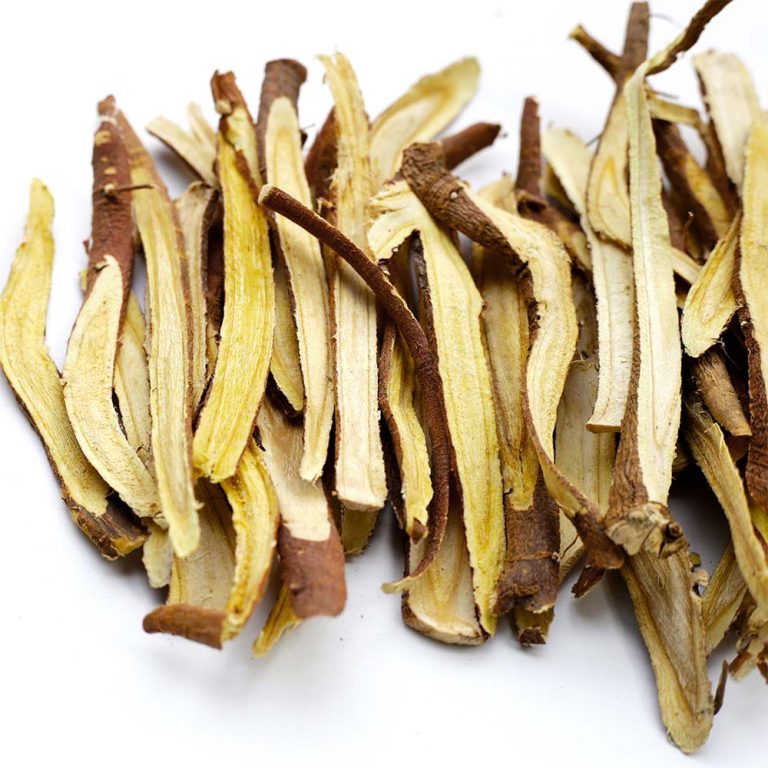
Glycyrrhiza Inflata (Licorice) Root Extract
Glycyrrhiza inflata root extract, concentrated to an impressive 20% Licochalcone A, provides powerful anti-inflammatory and antioxidant effects. This…
read →
Avena sativa (Oat) Kernel Oil
Oat kernel oil is a golden lipid extracted from oats with exceptional moisturising and healing properties and a…
read →
Lactic Acid
Lactic acid, like all alpha hydroxy acids (AHAs), helps slough away old, dead skin cells on the surface…
read →