





why we use oryzanol
The Basics
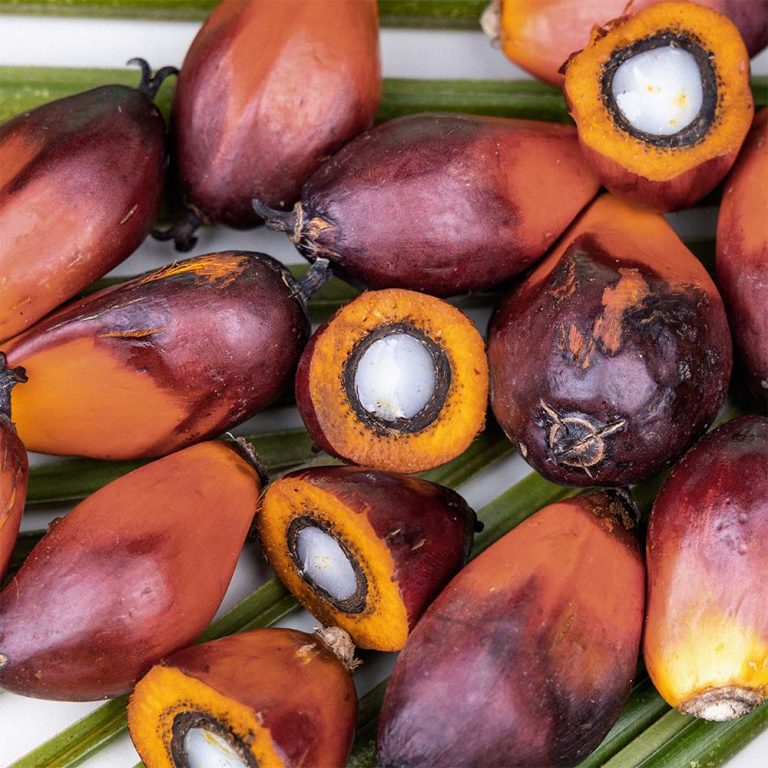
Gamma oryzanol, a potent phytosterol derived from rice bran oil, offers a multitude of benefits for skin health. Its unique composition—a blend of sterols and ferulic acid—grants it significant antioxidant and anti-inflammatory properties. These attributes make gamma oryzanol a valuable ingredient in skincare formulations aimed at protecting and rejuvenating the skin.
Antioxidant and Anti-Inflammatory Properties
Gamma oryzanol's antioxidant capacity allows it to effectively neutralise free radicals, thereby mitigating oxidative stress and preventing premature skin ageing. Its anti-inflammatory effects further contribute to skin health by reducing redness and irritation, promoting a calmer complexion.1
Inhibition of Melanin Synthesis
One of the standout features of gamma oryzanol is its ability to inhibit melanin production. This multifunctional activity can help reduce the appearance of hyperpigmentation and promote a more even skin tone.
Oryzanol inhibits melanin synthesis in two ways:
- inhibiting tyrosinase enzyme activity,2 and
- reducing the expression of microphthalmia-associated transcription factor (MITF).2 MITF controls the expression of various genes that are essential for melanin synthesis in melanocytes, so suppressing it results in a noticeably lightened skin tone.3
Enhancement of Skin Barrier Function
Gamma oryzanol has been shown to stimulate sebaceous glands, leading to improved skin hydration and barrier function. This makes it particularly beneficial for individuals with dry or mature skin, as it helps maintain moisture levels and protects against environmental stressors.4
Sunscreen Booster
Also of note, gamma oryzanol exhibits UV-absorbing properties, particularly in the UVA spectrum with maximum absorption around 320 nanometers.5 This characteristic makes it a valuable addition to formulations aimed at enhancing photoprotection. However, while gamma oryzanol contributes to the skin's defense against UV radiation, it should not be considered a substitute for traditional sunscreens. Its UV-absorbing capacity is notable but insufficient to provide comprehensive protection against the full spectrum of UV radiation. Therefore, gamma oryzanol is best utilised as a complementary ingredient alongside conventional sunscreen agents to bolster overall skin protection.
references
- 1 Saenjum, Chalermpong & Chaiyasut, Chaiyavat & Chansakaow, Sunee & Suttajit, Maitree & Sirithunyalug, Busaban. (2012). Antioxidant and anti-inflammatory activities of gamma-oryzanol rich extracts from Thai purple rice bran. Journal of Medicinal Plants Research. 6.
- 2 Jun H., Lee J., Cho B., Seo W., Kang H., Kim D., Cho K., and Lee. (2012), Dual Inhibition of γ-Oryzanol on Cellular Melanogenesis: Inhibition of Tyrosinase Activity and Reduction of Melanogenic Gene Expression by a Protein Kinase A-Dependent Mechanism. J. Nat. Prod. 75, 10, 1706-1711. doi:10.1021/np300250m
- 3 Wikipedia contributors. (2019, December 18). Microphthalmia-associated transcription factor. In Wikipedia, The Free Encyclopedia. Retrieved 01:02, January 23, 2020, from
- 4 Ueda, H., Hayakawa, R., Hoshino, S. and Kobayashi, M. (1976), The effect of topically applied gamma-Oryzanol on sebaceous glands The Journal of Dermatology, 3: 19-24. doi:10.1111/j.1346-8138.1976.tb00965.x
- 5 Bucci, Remo & Magrì, Andrea & Magrì, Antonio & Marini, Federico. (2003). Comparison of three spectrophotometric methods for the determination of γ-oryzanol in rice bran oil. Analytical and bioanalytical chemistry. 375. 1254-9. 10.1007/s00216-002-1700-5.
explore more
-
Retinal

Retinal, or retinaldehyde, is a gold-standard vitamin A active that targets multiple skin concerns simultaneously. By interacting with…
read more → -
Lactobacillus/Portulaca Oleracea (Purslane) Ferment Extract
Purslane Bioferment is a fermented extract rich in antioxidants, omega-3 fatty acids, and polysaccharides, delivering deep hydration, calming…
read more → -
Linoleic Acid
Linoleic acid is an essential omega-6 fatty acid that strengthens the skin barrier, regulates sebum production, calms inflammatory…
read more → -
Palmitic Acid
Palmitic acid is a saturated fatty acid that reinforces the skin barrier, reduces moisture loss, and enhances the…
read more → -
Panthenol
Panthenol, also known as vitamin B5, is essential for helping skin defend itself against external stressors. It supports…
read more → -
Ceramide AP
Ceramide AP is one of the many types of ceramides that can be found naturally in the upper…
read more →